
Our Greens


Tiny Greens. So Many Flavors.
We grow a variety of microgreens year-round, from mild and fresh to bold and spicy. Explore our everyday favorites below, or ask us about special-order varieties for your menu, event, or specific needs.
Microgreens All Year Round
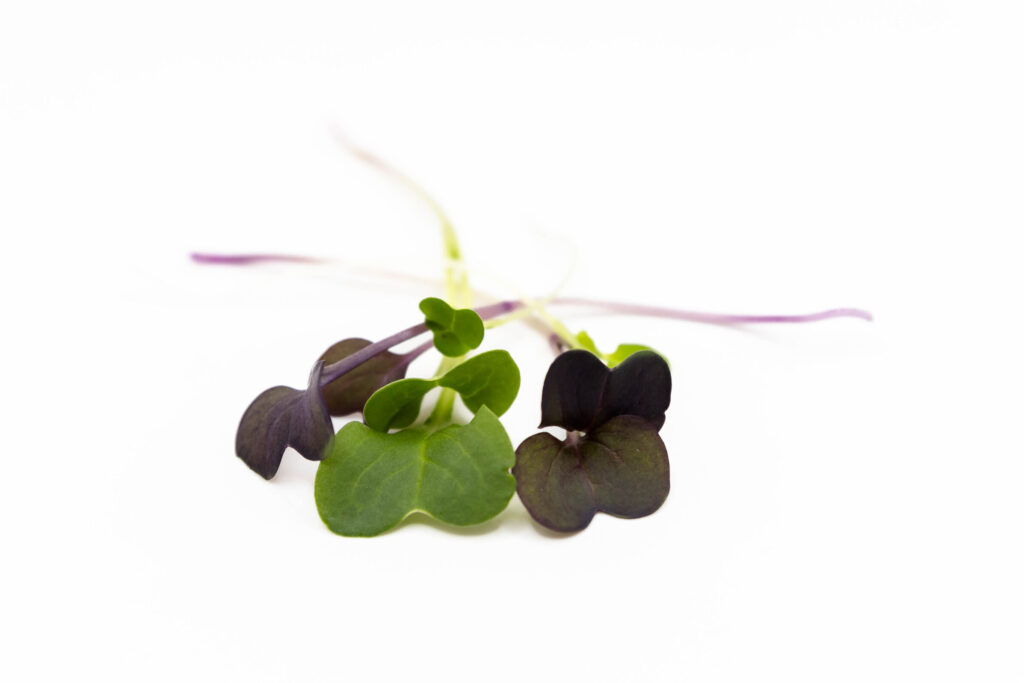
Superfood Mix
Soft & Crunchy • Nutty • Fresh & Juicy • A Nice Spicy Kick
Contains: Broccoli, kohlrabi, collards, turnip, and purple radish
Appearance: A colorful blend of green and purple microgreens.
Try It With: Poultry, sandwiches, salads, grain bowls, or anywhere you want an extra kick of flavor.
Nutrients:
Vitamins A, C, and K, calcium, folate, potassium, and fiber.
How It Can Benefit You:
- Supports healthy digestion
- Supports immune system function
- Supports healthy bones
- Supports healthy vision

Farmer's Protein Mix
Sweet & Crisp • Nutty • Fresh • A Vibrant Peppery Kick
Contains: Sweet pea, purple radish, broccoli, and kale
Appearance: A striking mix of robust green pea shoots, deep green brassicas, and eye-catching purple radish microgreens.
Try It With: Grain bowls, avocado toast, hearty salads, egg dishes, wraps, or anywhere you want a satisfying crunch and a plant-powered boost.
Nutrients:
Vitamins A, C, E, and K, calcium, iron, fiber, and plant-based protein.
How It Can Benefit You:
- Supports plant-based protein intake for vegetarian and active diets.
- Supports immune system function.
- Supports healthy bones and digestion.
- Supports healthy vision and provides antioxidant-rich vitality
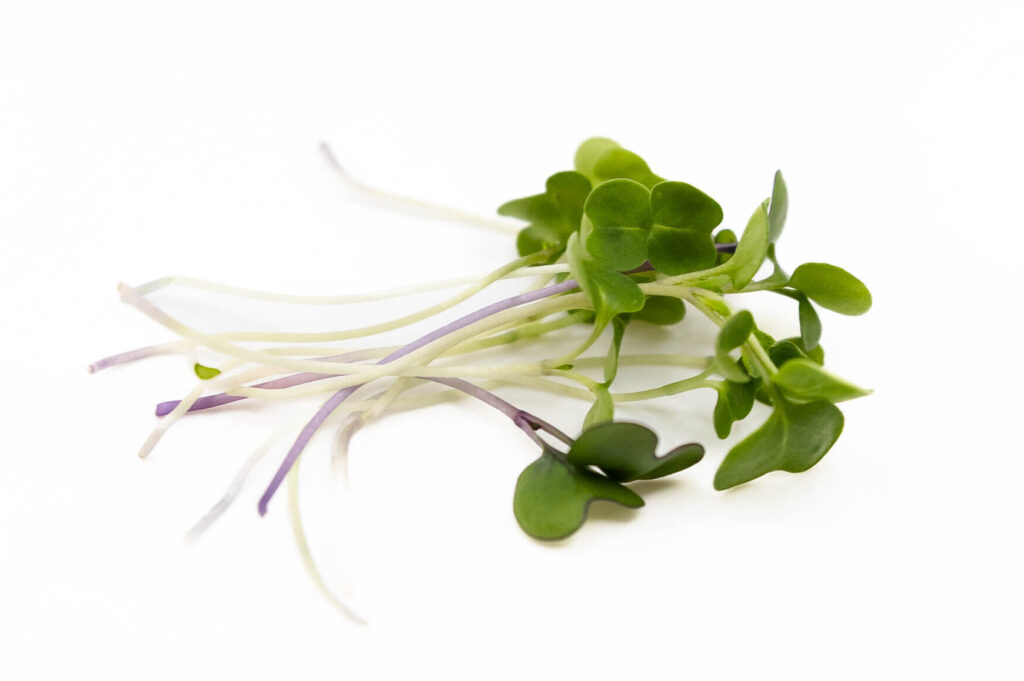
Salad Mix
Crunchy • Nutty • Fresh • A Nice Spicy Kick
Contains: Broccoli, kale, kohlrabi, arugula, and red cabbage
Appearance: Mostly green with pops of purple and red.
Try It With: Salads, wraps, pizza, burgers, fish, or anywhere you want a fresh, flavorful finish.
Nutrients:
Vitamins C, E, and K, calcium, iron, potassium, and fiber.
How It Can Benefit You:
- Supports immune system function
- Supports healthy bones
- Supports healthy digestion
- Supports healthy vision
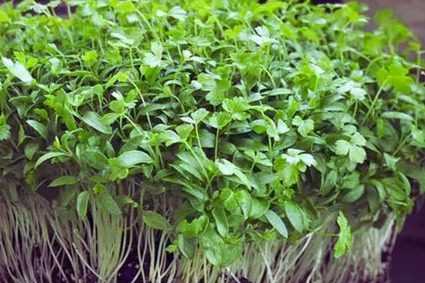
Parsley
Fresh • Clean • Bright • Soft
Contains: Parsley
Appearance: Deep green leaves with delicate, saw-toothed edges.
Try It With: Fish, grilled meats, stews, roasted potatoes, pasta, or anywhere you want a fresh, herbaceous finish.
Nutrients:
Vitamins A, C, and K, plus potassium, calcium, iron, and magnesium.
How It Can Benefit You:
- Supports healthy vision
- Supports immune system function
- Supports healthy bones
Happy Mix
Sweet • Crisp • Fresh • Mildly Nutty
Contains: Pea, kohlrabi, and broccoli
Appearance: Bright green pea shoots mixed with delicate green kohlrabi and broccoli microgreens.
Try It With: Sandwiches, wraps, eggs, quesadillas, mac and cheese, or simply sprinkled over a favorite meal.
Nutrients:
Vitamins A, C, and K, plus fiber, calcium, and potassium.
How It Can Benefit You:
- Supports healthy digestion
- Supports healthy vision
- Supports healthy bones
- Supports immune system function

Arugula
Buttery • Peppery • Fresh • Nutty • Bold
Contains: Arugula
Appearance: Deep spring-green leaves with a fresh, vibrant look.
Try It With: Eggs, avocado toast, sandwiches, salads, pizza, pasta, grain bowls, or anywhere you want a fresh, peppery finish.
Nutrients:
Vitamins C, K, and B9 (folate), carotenoids, calcium, and glucosinolates.
How It Can Benefit You:
- Supports immune system function
- Supports healthy bones
- Helps protect cells from stress

Broccoli & Kale
Crunchy • Fresh • Nutty • Rich Broccoli & Kale Flavor
Contains: Broccoli and kale
Appearance: Bright green tops with slender white broccoli stems and light-purple kale stems.
Try It With: Eggs, grain bowls, pasta, noodles, or anywhere you want a fresh, nutty green finish.
Nutrients:
Vitamins A, C, and K, calcium, iron, fiber, and plant-based protein.
How It Can Benefit You:
- Supports immune system function
- Supports healthy vision
- Supports healthy bones
- Supports healthy digestion

Sweet Pea
Sweet • Fresh • Juicy • Crunchy • Strong Pea Flavor
Contains: Sweet pea
Appearance: Robust green stems with bright green leaves and playful curly tendrils that add an architectural look to the plate.
Try It With: Eggs, grilled cheese, sandwiches, green smoothies, artisan breads, spreads, or anywhere you want fresh pea flavor.
Nutrients:
Vitamins C and A, fiber, and plant-based protein.
How It Can Benefit You:
- Provides plant-based protein
- Supports healthy digestion
- Supports immune system function
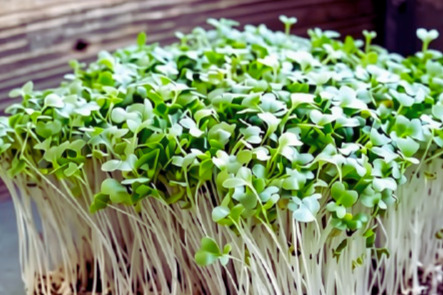
Kohlrabi
Mild • Sweet • Nutty • Crisp • Delicate
Contains: Kohlrabi
Appearance:Slender white stems topped with vibrant green leaves.
Try It With: Fresh salads, summer rolls, breakfast plates, sandwiches, grain bowls, or anywhere a dish needs a fresh finishing touch.
Nutrients:
Vitamins C and K, calcium, potassium, and iron.
How It Can Benefit You:
- Supports healthy bones
- Supports immune system function
Special Order Microgreens
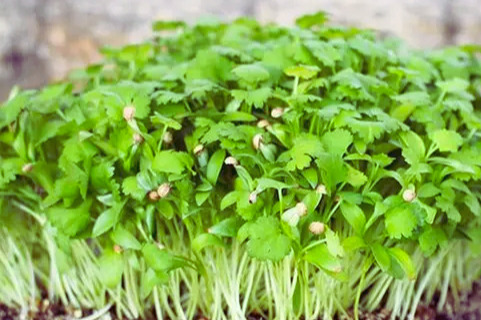
Cilantro
Fresh • Crisp • Citrusy • Soft
Appearance: Light green stems topped with delicate, bright green leaves.
Contains: Cilantro
Try It With: Tacos, grain bowls, salsa, guacamole, grilled meats, or anywhere you want a fresh citrusy finish.
Nutrients:
Vitamins A, C, and K, plus calcium and iron.
How It Can Benefit You:
- Supports healthy bones
- Supports immune system function
- Supports healthy vision
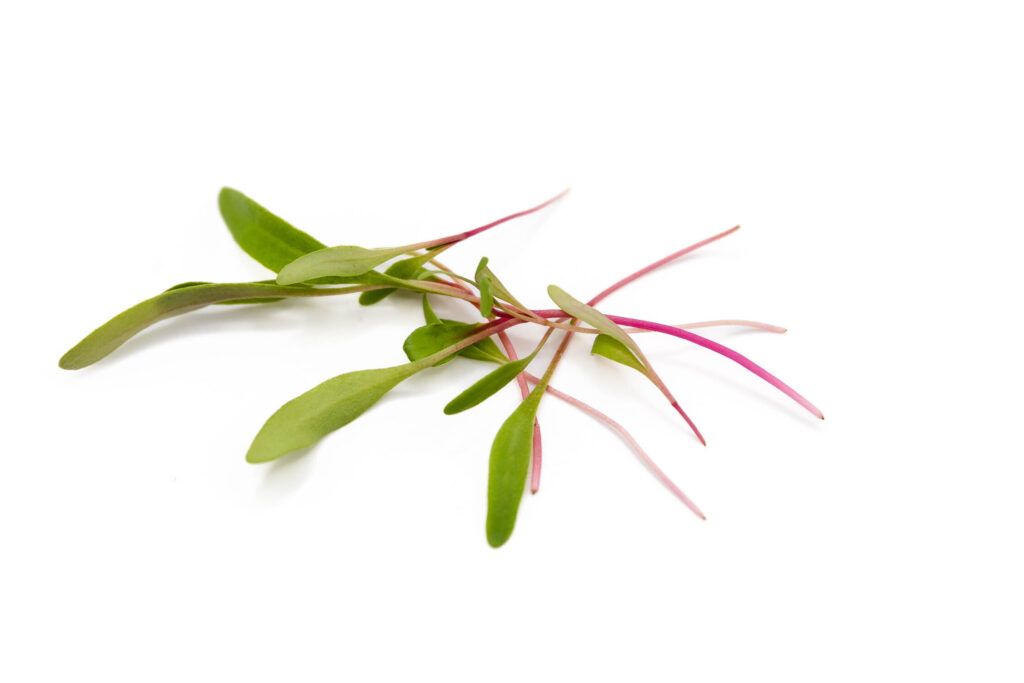
Red Beet
Earthy • Sweet • Crunchy • Juicy
Appearance: Vibrant red stems topped with fresh green leaves.
Contains: Red beet
Try It With: Goat cheese, feta, soups, sandwiches, grain bowls, eggs, or anywhere you want a pop of color and earthy sweetness.
Nutrients:
Vitamins A, C, and K, plus potassium, magnesium, and iron.
How It Can Benefit You:
- Supports immune system function
- Supports healthy vision
- Supports healthy bones
Genovese Basil
Sweet • Savory • Deeply Fragrant • Fresh • Delicate & Silky
Appearance: Delicate light-green stems with fresh green leaves.
Contains: Genovese basil.
Try It With: Tomatoes, mozzarella, pasta, pizza, sandwiches, eggs, or anywhere you want classic basil flavor.
Nutrients:
Vitamins A, C, E, and K, plus calcium, potassium, and magnesium.
How It Can Benefit You:
- Supports immune system function
- Supports healthy vision
- Supports healthy bones
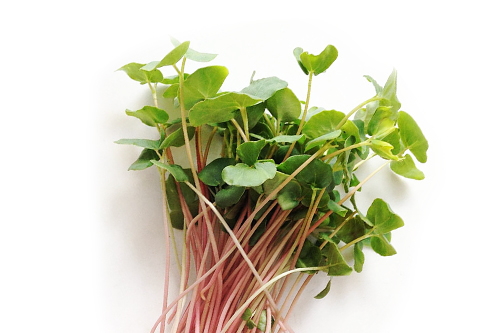
Buckwheat
Bright • Mildly Sweet • Fresh • Slightly Citrusy • Juicy
Appearance: Delicate green leaves with hints of red and yellow in the stems, giving this microgreen a distinctive, almost flower-like appearance.
Contains: Buckwheat.
Despite its name, buckwheat is not related to wheat. It is gluten-free.
Try It With: Avocado toast, green smoothies, fruit-forward salads, or sweet-and-savory dishes.
Nutrients:
Fiber, plant-based protein, minerals, and naturally occurring plant compounds including rutin.
How It Can Benefit You:
- Supports healthy digestion
- Provide plant-based protein
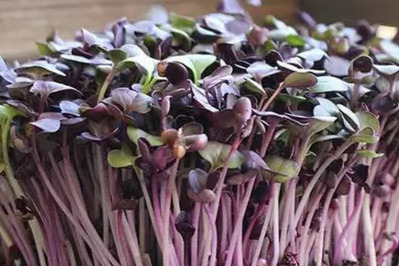
Mighty Radish
Crunchy • Juicy • Fresh • Classic Radish Spice • Floral Notes
Appearance: A vibrant mix of purple and green microgreens.
Contains: Several non-GMO radish varieties.
Try It With: Salads, tacos, sandwiches, sushi, eggs, grain bowls, or anywhere you want classic radish spice and color.
Nutrients:
Vitamins C, E, and K, fiber, and naturally occurring plant compounds including glucosinolates.
How It Can Benefit You:
- Supports immune system function
- Supports healthy vision
- Supports healthy digestion
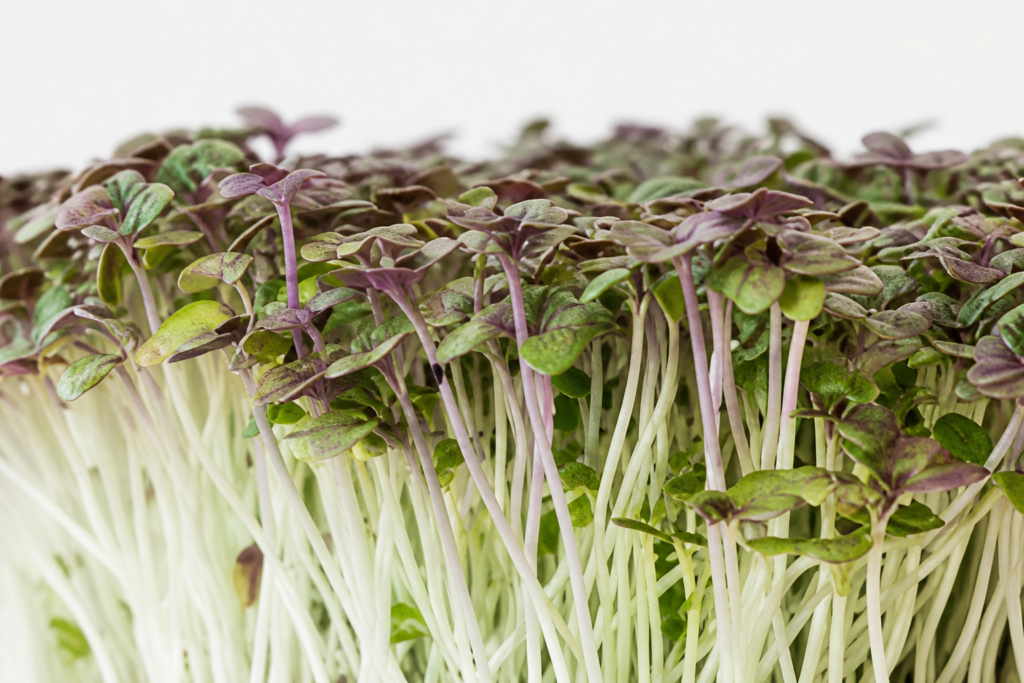
Osaka Purple Mustard
Bold Mustard • Mild Spice • Hint of Horseradish • Soft
Appearance: Delicate green leaves with purple highlights and pale stems.
Contains: Osaka Purple mustard
Try It With:Sushi, fish, sandwiches, pork dishes, eggs, or anywhere you want a fresh mustard bite.
Nutrients:
Vitamins A, C, E, and K, plus calcium, potassium, and magnesium.
How It Can Benefit You:
- Supports healthy digestion
- Supports immune system function
- Supports healthy vision
- Supports healthy bones
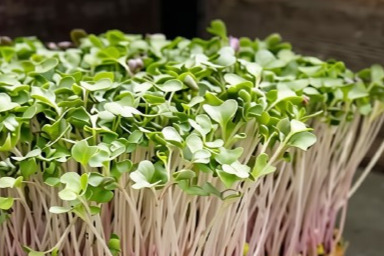
Brussels Sprouts
Mildly Sweet • Earthy • Tender • Crisp
Appearance: White, pink, and purple stems topped with fresh green leaves.
Contains: Brussels sprouts
Try It With: Eggs, breakfast bowls, omelets, Parmesan, roasted root vegetables, or grilled and roasted proteins.
Nutrients:
Vitamins C and K, folate, potassium, and fiber.
How It Can Benefit You:
- Supports healthy bones
- Supports immune system function
- Supports normal cell function
- Supports healthy digestion
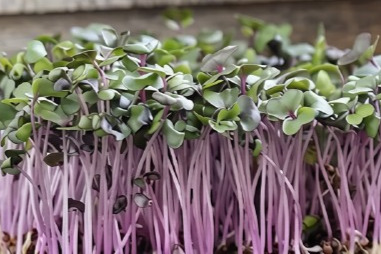
Cabbage
Mild • Earthy • Fresh • Slightly Sweet • Crisp
Appearance:Green leaves with vibrant pink-to-violet stems, adding a beautiful pop of color to the plate.
Contains:Red Acre cabbage
Try It With: Asian-inspired dishes, tacos, wraps, or savory, hearty dishes.
Nutrients:
Vitamins C, A, and E, plus potassium and iron.
How It Can Benefit You:
- Supports healthy skin
- Supports healthy cells
- Supports immune system function
- Supports healthy vision
Leafy Mix
Mild • Rich • Slightly Sweet • Soft • Fresh
Appearance: A beautiful collection of leafy greens with varying colors, textures, and shapes.
Contains: Arugula, spinach, Swiss chard, endive, kale, mustards, and lettuces.
Try It With: Salads, sandwiches, wraps, burgers, grain bowls, eggs, or as a fresh base for your favorite toppings.
Nutrients:
Vitamins A, C, and K, folate, and fiber.
How It Can Benefit You:
- Supports healthy bones
- Supports immune system function
- Supports healthy vision
- Supports healthy digestion
Garden Mix
Crunchy • Nutty • Fresh • A Spicy Kick
Appearance: Mostly green with pops of purple and red.
Contains: Broccoli, kale, kohlrabi, arugula, red cabbage, and mustard.
Try It With: Salads, sandwiches, wraps, burgers, tacos, grain bowls, pizza, or anywhere you want fresh flavor with a spicy kick.
Nutrients:
Vitamins C, E, and K, calcium, iron, fiber, and plant-based protein.
How It Can Benefit You:
- Supports immune system function
- Supports healthy bones
- Supports healthy digestion

Something Special?
Tell us what you’re dreaming up.
We’ll look into sourcing it and growing it just for you.

Getting to Know Microgreens & FAQs
What are microgreens and how are they different than sprouts and baby greens?
Microgreens are young plants harvested just after their first leaves appear. They’re bigger than sprouts, smaller than baby greens, and packed with flavor and nutrients. Many microgreens contain much higher concentrations of certain nutrients than their mature counterparts.
Why are microgreens worth the price?
A little goes a long way! Microgreens are nutrient-packed, 100% real food. They’re an easy, delicious way to add more plant goodness to the foods you already love.
How should I choose microgreens for myself and my family?
Start with what sounds good to you! Microgreens come in all kinds of flavors, from sweet and mild to nutty, peppery, and bold. There’s a little something for everyone.
Microgreens are a fun way to get kids excited about greens. They are small and easy to pop into a bite. Start with sweet pea shoots or mild broccoli microgreens, then let your family explore and find their favorites. Who knows? You might discover a new favorite green!
Have food allergies? Check the variety before trying it. Microgreens may contain the same allergens as their mature plants.
Where can I buy Green Village Farm microgreens?
You can find our greens at select local retailers and through Market Wagon for home delivery. Visit our Homepage to explore your options.
Do you offer wholesale for chefs and local retailers?
Yes, we do! We love partnering with local restaurants, cafes, and retailers who want fresh, high-quality microgreens delivered right to their doors.
Reach out to us directly to discuss wholesale pricing, custom grow requests, and delivery details. We’d love to help bring farm-fresh flavor to your menu or shelves! Connect with us to get started.
How long do microgreens last?
Like other fresh produce, microgreens don’t have one set expiration date. How long they stay fresh depends on their variety, how they’re handled, and how they’re stored.
While many people worry they won’t last long, when stored properly, many varieties can easily keep for 2 to 3 weeks. In fact, with careful handling, robust varieties like sweet pea shoots can stay fresh and crisp for 4 to 6 weeks.
What are the best ways to store microgreens?
Keeping your microgreens cool and dry is the key to making sure they stay fresh. You can add a paper towel inside the container to absorb excess moisture to keep it fresher longer.
Only wash your microgreens when you are ready to eat them. Heat and excess moisture can turn them mushy right away, so return them to refrigerator promptly after use.
You can also dehydrate them: dehydrated microgreens can be eaten as crunchy snacks, similar to kale chips, or ground into powder and added to smoothies, soups, or shakes. Check out how Microgreens Can Be Dehydrated.
How should I wash microgreens?
Only wash your microgreens when you are ready to eat them. Place them in a bowl, rinse gently with room temperature water, drain and place on paper towel or clean kitchen towel to gently dry your microgreens. You can also put them in your salad spinner as long as the spinner’s holes are not too large.
How can I tell if my microgreens have gone bad?
Check your microgreens before eating them. Signs of spoilage may include:
- Discoloration: Brown, yellowing, or unusually dark areas.
- Unpleasant odor: A sour or off smell instead of a fresh, mild scent.
- Slimy texture: Leaves or stems that feel slippery or excessively wet.
- Mold: Visible fuzzy growth on the leaves, stems, or growing material.
If you notice mold or other clear signs of spoilage, discard the microgreens. Don’t taste them to check whether they’re still good.
Microgreens are at their best when fresh, so a little care goes a long way. Keep them cool, keep them dry, and enjoy them while they’re fresh!
Can I freeze microgreens?
Since microgreens are best eaten fresh, we don’t recommend it. The cold temperature will break down the cellular structures in the green. If you must freeze your microgreens, we recommend using them in smoothies to maintain their nutrition as much as possible.
Still have more questions?
We’re a friendly bunch. Connect with us and share your thoughts.

We’re on a mission to inspire sustainable real food.
Join the movement and become a part of the community and start creating extraordinary things.
